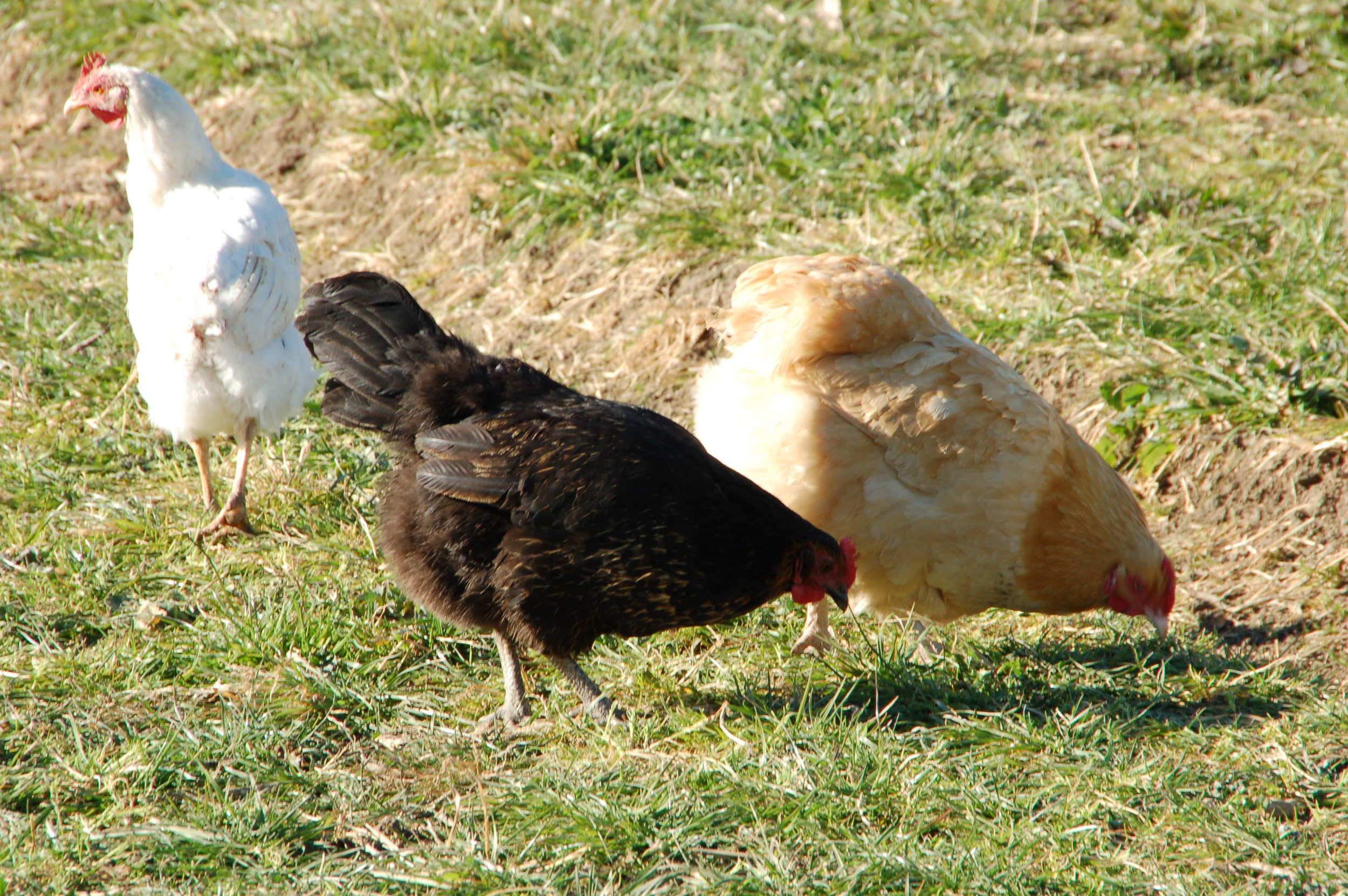
 I must admit I was expecting a challenging meeting last week. In the end, only one person arrived, a state veterinarian who specializes in poultry. He took a good look at our flock, farm and system, and to my surprise, he was very complimentary. He had visited Polyface Farms in Virginia, the farm of Joel Salatin, who was made famous by Michael Pollan for his innovative farming practices. The inspector noted many similarities between our farms and was excited to see pasture-raised chickens so close to his hometown of Davis.
He explained that until recently the federal rules had only applied to farming operations of 50,000 or more hens. These now apply to any flock above 3,000. Since we typically have 3,400 laying hens at any given time, we would be inspected every three months, and each inspection would be a three-day ordeal instead of just a one-day affair. There are two parts: the paperwork and testing for Salmonella. Although we already keep detailed records of our flocks and egg sales, the compliance regulations under the federal laws are so stringent that it is recommend that each farm have a full-time employee dedicated solely to meticulous record keeping. This is not feasible for us at this time. The second aspect involves swabbing the hens, and this would be difficult because our girls are out on pasture and not confined. The question was what and where to swab. They would be looking for a very particular form of Salmonella that loves confined areas, but it is toasted by the sun in our pasture operation. The vet explained that although we are potentially exposed to a bird flying over our hens and its droppings transferring disease to our flock, the sun is our best friend in that it sterilizes any of the possible pathogens exposed to it.
I must admit I was expecting a challenging meeting last week. In the end, only one person arrived, a state veterinarian who specializes in poultry. He took a good look at our flock, farm and system, and to my surprise, he was very complimentary. He had visited Polyface Farms in Virginia, the farm of Joel Salatin, who was made famous by Michael Pollan for his innovative farming practices. The inspector noted many similarities between our farms and was excited to see pasture-raised chickens so close to his hometown of Davis.
He explained that until recently the federal rules had only applied to farming operations of 50,000 or more hens. These now apply to any flock above 3,000. Since we typically have 3,400 laying hens at any given time, we would be inspected every three months, and each inspection would be a three-day ordeal instead of just a one-day affair. There are two parts: the paperwork and testing for Salmonella. Although we already keep detailed records of our flocks and egg sales, the compliance regulations under the federal laws are so stringent that it is recommend that each farm have a full-time employee dedicated solely to meticulous record keeping. This is not feasible for us at this time. The second aspect involves swabbing the hens, and this would be difficult because our girls are out on pasture and not confined. The question was what and where to swab. They would be looking for a very particular form of Salmonella that loves confined areas, but it is toasted by the sun in our pasture operation. The vet explained that although we are potentially exposed to a bird flying over our hens and its droppings transferring disease to our flock, the sun is our best friend in that it sterilizes any of the possible pathogens exposed to it.
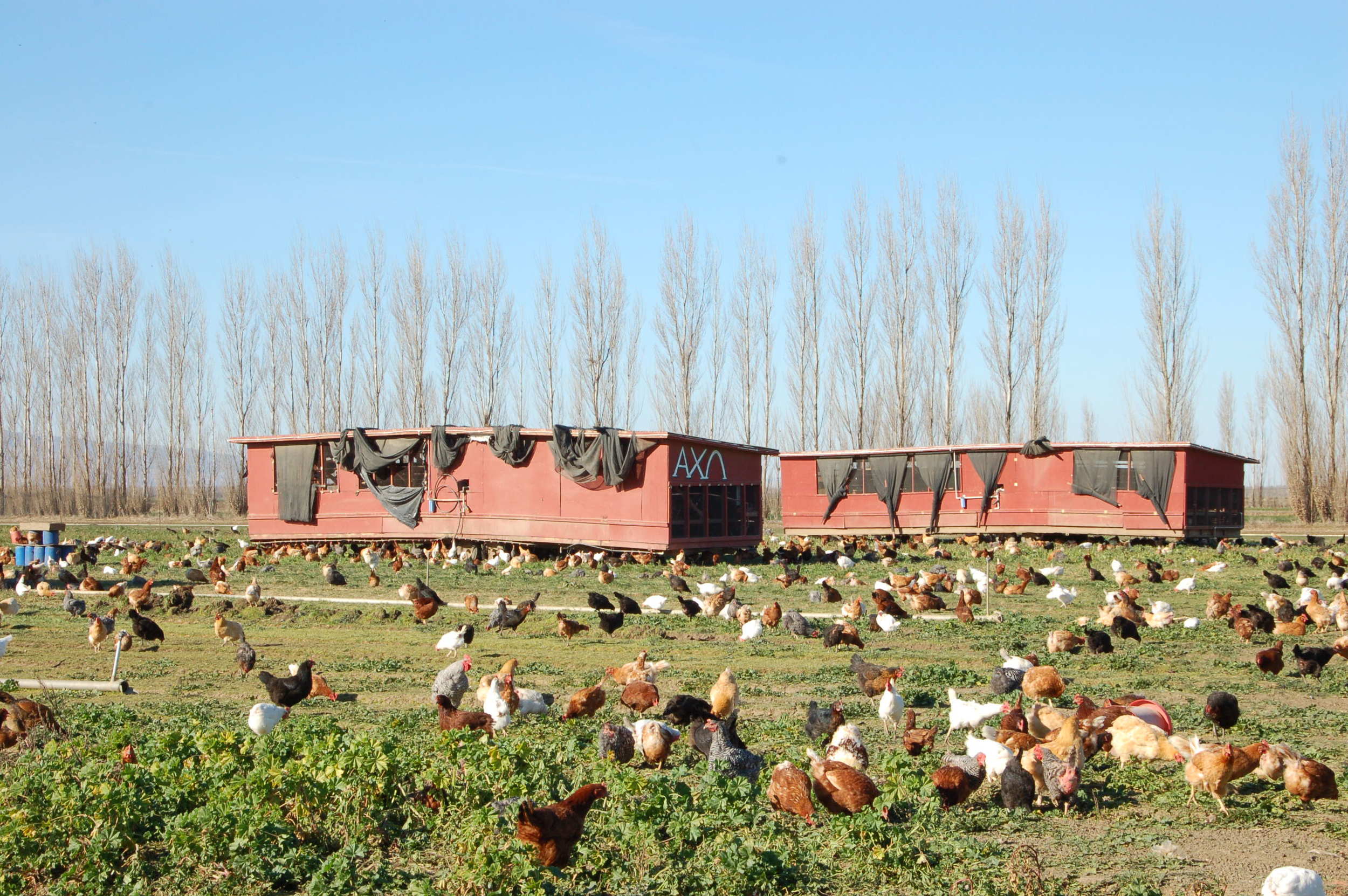 After making further inquiries about the inspections with other farmers, it seems that the inspectors have only three days of training before they go out to farms. This is not reassuring as we all know that someone with little knowledge can be a dangerous threat. I have, after taking all this into account, decided to cut back our flock from the planned 3,400 in September to below 3,000 laying hens. This will mean we are not federally inspected, but still as always open for state inspection.